
Prince William and Prince George: A Father-Son Moment That Captured the Heart of a Nation
In the soft glow of ceremonial lights and the quiet rustle of formal attire, a single shared glance between father and son said more than any official statement could. Prince William and his eldest child, Prince George, stood side by side at a grand public ceremony, offering the world a rare and deeply human glimpse into the future of the British monarchy. What unfolded was not merely another royal appearance. It was a living portrait of continuity, quiet pride, and the steady passing of responsibility from one generation to the next.
The occasion carried the full weight of tradition. Distinguished guests filled the historic setting, their presence a reminder of centuries of protocol and pageantry. Yet amid the formality, the most compelling image was the simplest one: a father and his young son standing together with natural ease. George, still a child yet already carrying himself with noticeable composure, moved through the event with a confidence that surprised many observers. He did not appear overwhelmed by the attention or the weight of expectation. Instead, he seemed quietly aware of his place, offering polite interactions and maintaining a steady presence that suggested careful preparation and genuine comfort in his growing public role

William’s expression told its own story. The future king watched his son with a mixture of pride and protectiveness that needed no translation. In that moment, the polished public figure gave way to something more intimate—a parent witnessing the early steps of a child who will one day inherit the same duties. The pride was unmistakable, but so was the tenderness. Fans and royal watchers immediately recognized the scene as something special, circulating images and quiet commentary that focused less on titles and more on the unmistakable bond between them.
This was not the first time the pair had appeared together, yet something about this particular gathering felt different. George’s posture and calm demeanor marked a subtle shift. The boy who once trailed behind his parents is steadily becoming a young figure capable of holding his own in formal settings. William, long accustomed to balancing private fatherhood with public duty, seemed to acknowledge that transition with quiet satisfaction. The result was a heartwarming tableau that felt both timeless and refreshingly modern—an ancient institution showing its human face through the simplest of family connections.
Observers noted how the surrounding tradition amplified rather than overshadowed the personal moment. The grandeur of the ceremony, the distinguished company, and the weight of history created a powerful backdrop. Against that backdrop, the father-son dynamic stood out precisely because it remained so understated. There were no grand gestures or staged interactions. The power of the scene came from its authenticity: a parent proud of his child’s growing poise, and a son beginning to understand the path that lies ahead.
For many who follow the royal family, the image offered more than fleeting sentiment. It served as a quiet but clear signal about the monarchy’s future. George’s composed presence suggested that the next generation is being prepared not through rigid formality alone, but through gradual exposure and genuine parental guidance. William’s visible pride reinforced the sense that continuity is being nurtured with care rather than forced. In an era when institutions are often scrutinized for relevance, such moments remind the public that the monarchy’s strength still rests, in part, on the relationships at its center.
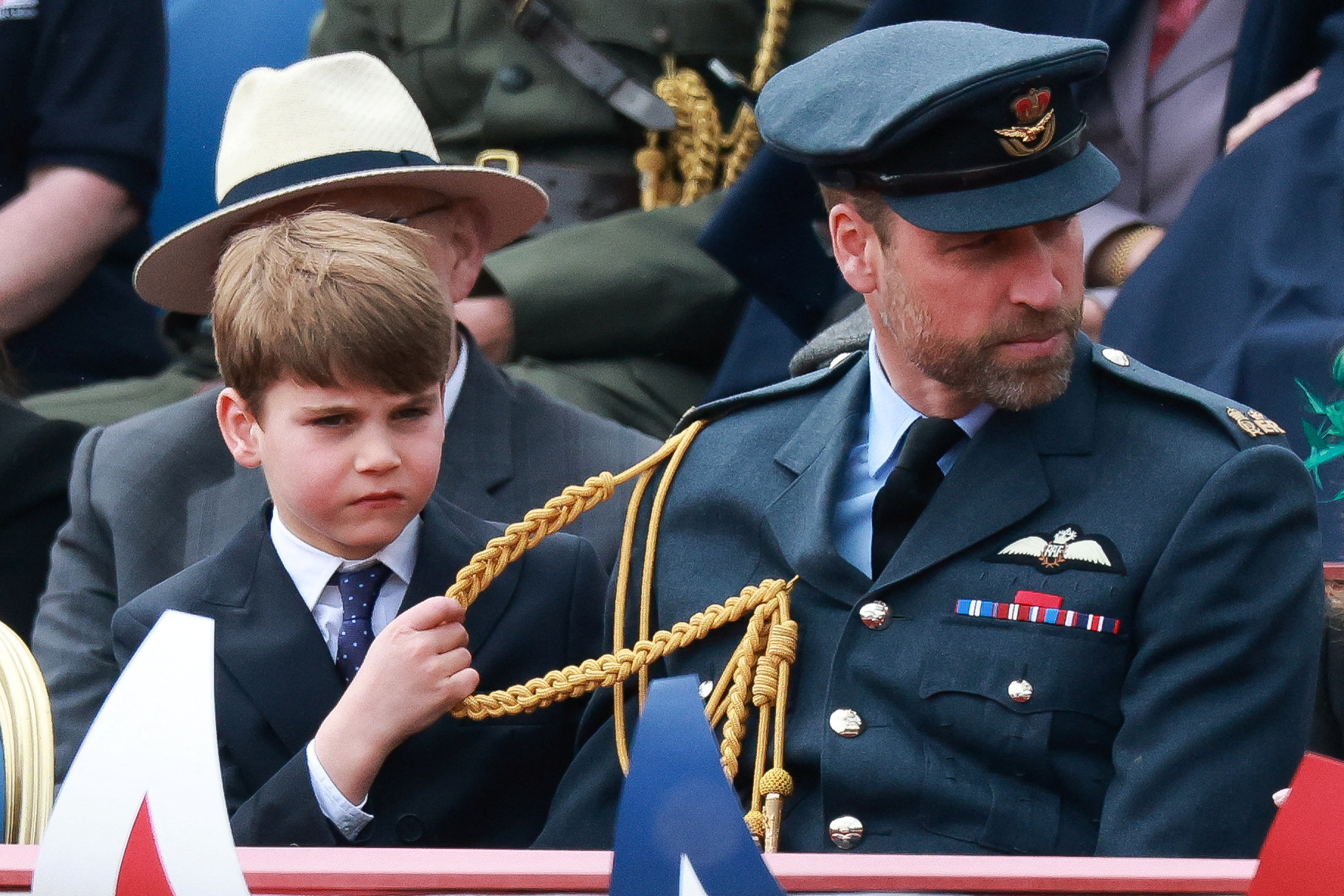
The public response was swift and affectionate. Social media filled with comments that focused on the warmth of the exchange rather than protocol. People spoke of the pride in William’s eyes and the quiet confidence in George’s bearing. Many described the scene as a “glimpse of the future,” not in the abstract sense of succession charts, but in the concrete image of a father and son standing together with shared purpose. The discussion remained largely positive, centered on the human quality of the moment rather than speculation or controversy.
What made the appearance particularly compelling was its restraint. In a media environment that often amplifies drama, this was a study in understatement. No dramatic announcements accompanied the event. No formal statements sought to interpret the significance. The meaning emerged naturally from the image itself: a young prince growing into his role under the steady gaze of a father who understands both the privilege and the pressure of that path.
The ceremony itself provided the perfect frame. Surrounded by history and formality, the personal connection between William and George became all the more striking. It illustrated how tradition and modernity can coexist—how an institution rooted in centuries of ritual can still produce moments of genuine feeling. George’s confident presence did not erase his youth; rather, it highlighted the careful balance being struck between childhood and duty. William’s proud expression did not diminish his public responsibilities; it humanized them.
In the days that followed, the father-son scene continued to resonate. It offered a reminder that behind the titles and the pageantry are real relationships being shaped in real time. For those who look to the monarchy for continuity, the image provided reassurance. For those who simply appreciate family moments, it offered something warmer and more universal. Either way, the quiet power of the occasion was undeniable.
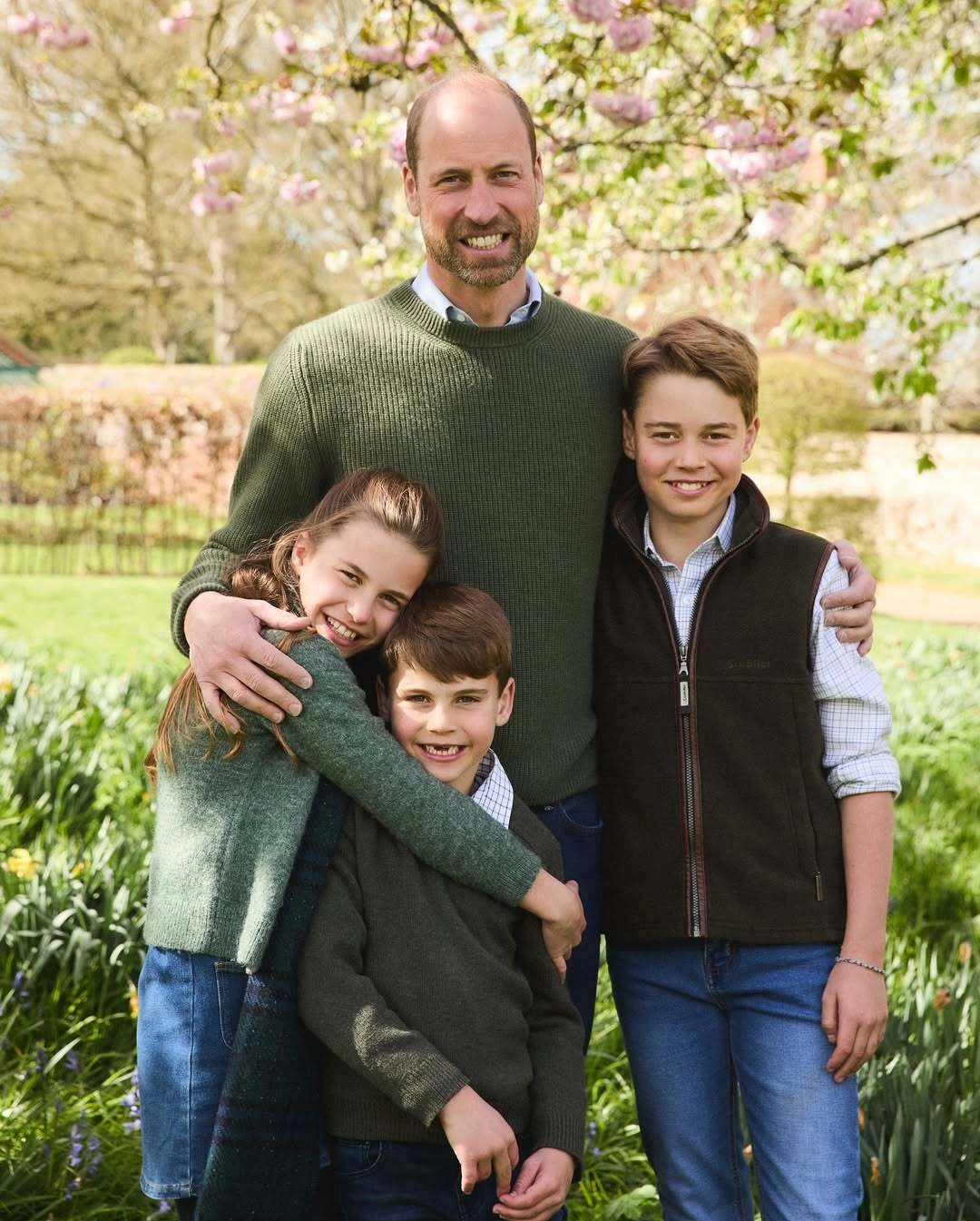
Prince William and Prince George did not need to deliver speeches or make grand declarations. Their shared presence at that memorable public event said enough. In the space between tradition and affection, between duty and parental pride, they created a moment that felt both historic and deeply personal. It was a glimpse of the monarchy’s future—not loud or theatrical, but steady, confident, and quietly compelling. And for many who watched, it was a scene they will remember long after the formalities of the day had faded.