
A Moment of Grace: When King Charles Crowned Princess Catherine
The ballroom did not announce the moment. It simply emptied of noise until attention had nowhere else to go. Crystal divided the light into slow, wandering coins. Portraits along the walls seemed to lean in, no longer merely paint. Wood polish and cut flowers made the air feel costly and clean. Outside, London kept its ordinary engines running. Inside, the evening had narrowed to a single pair of hands and the silver they carried.
King Charles stood in scarlet at the centre of that hush, the tunic taking the chandeliers as if memory itself could shine. Between his palms rested a slender crown—light enough to look breakable, bright enough to refuse being ignored. Queen Camilla waited near him in white and blue velvet, her poise warmed from within. Prince William kept his distance with a calm that did not hide how closely he was watching. Catherine stood apart in emerald deep enough to suggest spring had been invited indoors. The gown moved only when she did. She did not search the lifted phones. She did not fill the silence with anything but readiness.
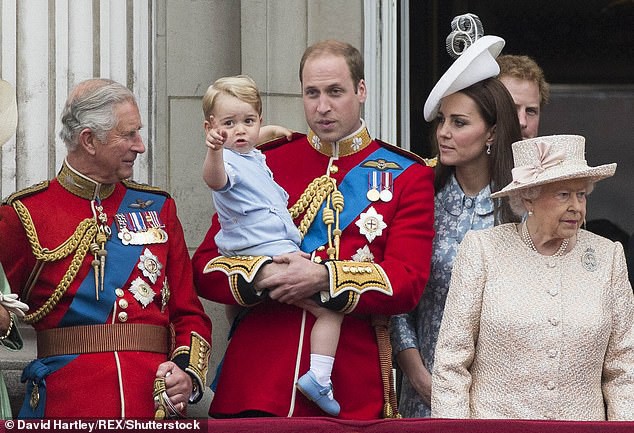
Flags of the United Kingdom and Canada stirred, then stilled. Expectation packed the quiet until it had weight.
Charles crossed the last few feet as if the floor had been measured for that stride alone. He lifted the circlet with both hands. Silver hung in the air between them—an interval in which family and institution occupied the same breath. Then he set it on her hair.
It settled without ceremony’s usual thunder. Catherine did not stiffen. She raised her eyes and met his. What travelled that look was not display. It was recognition: labour already given, trust already spent, a road walked in parallel when the maps said they should walk it alone. A smile arrived on her face the way weather arrives—unforced, inevitable.
“Thank you.”
Two words, strong enough to cross the room, soft enough to remain theirs. They were not payment for metal. They held years of shared corridors, shared winters, shared duty—the long education of standing inside an institution without disappearing as a person.
Charles answered with a glance and a nod small enough to be missed by anyone who wanted only spectacle. Applause followed the way heat follows a opened door: nearest first, then the rest. Camilla’s face loosened into feeling she did not try to hide. William’s pride showed as stillness, the particular stillness of a man watching his wife receive something that was never only jewellery.
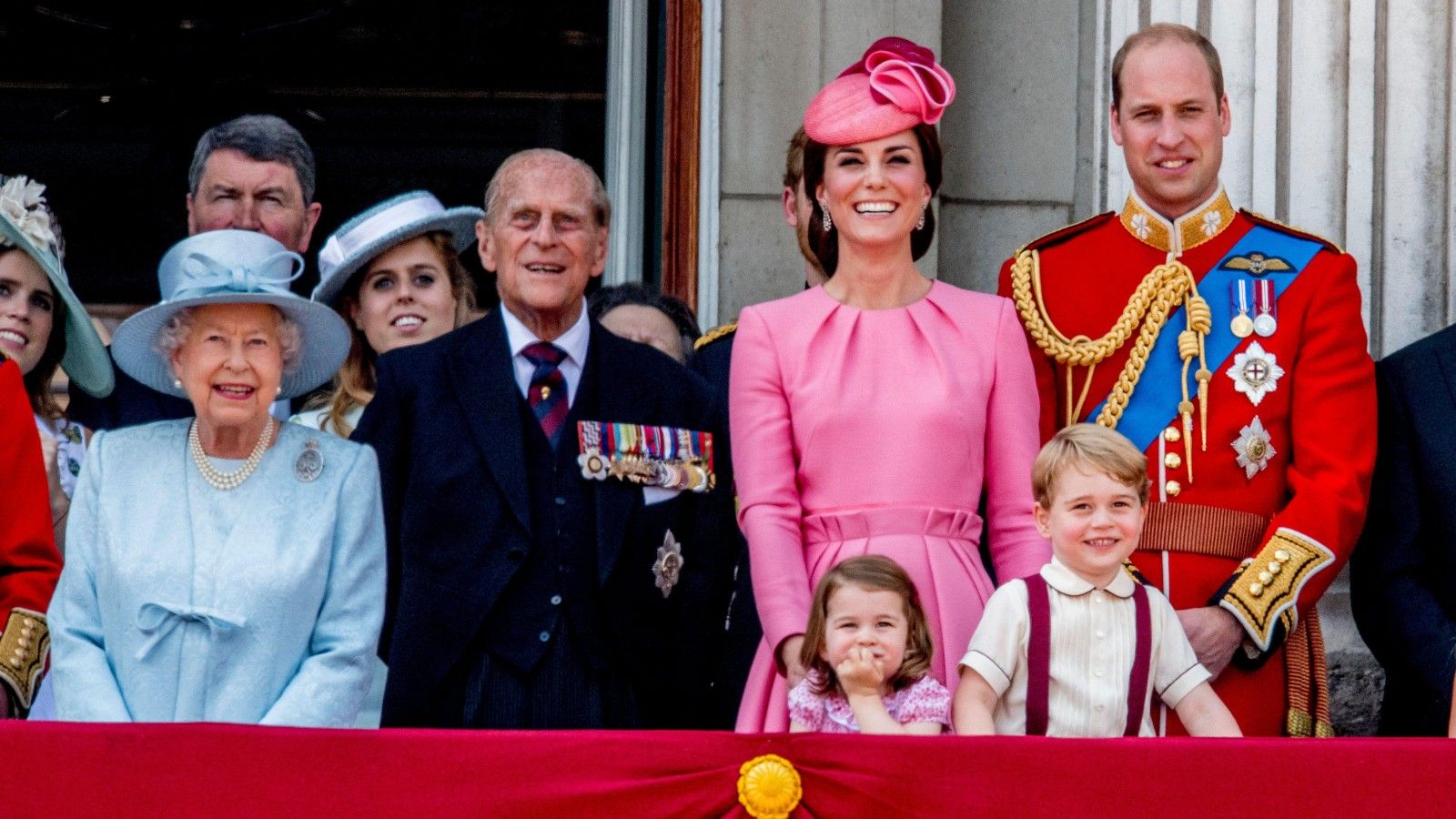
This was not coronation architecture. No St Edward’s. No oath. No oil. No ancient mass lowered as if the sky had chosen the minute. It was a sign given by a king to a woman whose public life had already entered the monarchy’s working structure. In setting silver on her head he seemed to say the load was no longer imagined as a solitary inheritance. It could be carried by those who knew both its price and its reason.
Catherine stood under the circlet as if the shape had been waiting for her. Emerald darkened and brightened with every shift of light. She turned just enough to include the guests, then kept her silence. Another sentence would have been extra. The first had already finished the work.
Afterward the world would hunt a larger plot, because plots travel better than quiet. Some would name it a modern investiture. Some would hear a father’s blessing inside a king’s gesture. Those who had stood in the ballroom were left with a smaller, sharper fact: a look without performance, a thank-you without decoration, a family visible for a few seconds inside a machine that prefers gold to interiors.
Images would leave the palace. Captions would quarrel. Meanings would multiply in rooms that had not been there. Inside the actual hour the truth had been plainer. A king had placed a crown on a princess’s hair and been given, in return, two words spoken as if they were sufficient. For that span the monarchy felt less like an apparatus and more like a household—flawed, persistent, still able to offer grace without raising its voice.
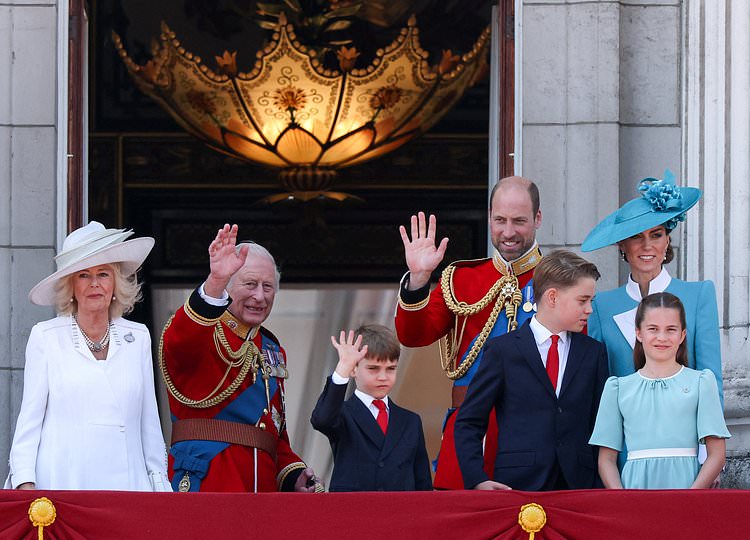
When the clapping thinned and the evening recalled its remaining tasks, Catherine remained still for one last count, silver resting lightly in dark hair. She looked at Charles again. He was already looking back. Nothing further was required. The moment had closed on its own.